Employee engagement in the U.S. has been trending down since hitting a 20-year high in early 2020. Most employees — 52% — are on the lookout for their next opportunity. There’s something deeper going on in the workplace, and it’s on HR leaders to get to the bottom of it. But how?
There’s no single metric that can help you understand what drives engagement at your organization. You have to go beyond the scores of a single employee engagement survey and dig into your people data to find patterns and uncover obstacles. Then, you can find out what will really help your employees thrive.
To do that, you need comprehensive people analytics software. The actionable insights this technology provides give your HR team the power to move from guesswork to real solutions. You’ll be able to get ahead of disengagement, retain your high performers, and build a connected, motivated workforce.
What Are People Analytics?
People analytics are also called HR or talent analytics. It’s the practice of collecting and analyzing HR data to make informed decisions that get you closer to your goals — for example, improving employee engagement. Instead of relying on trial and error, you can execute smarter strategies rooted in an accurate picture of employee sentiment.
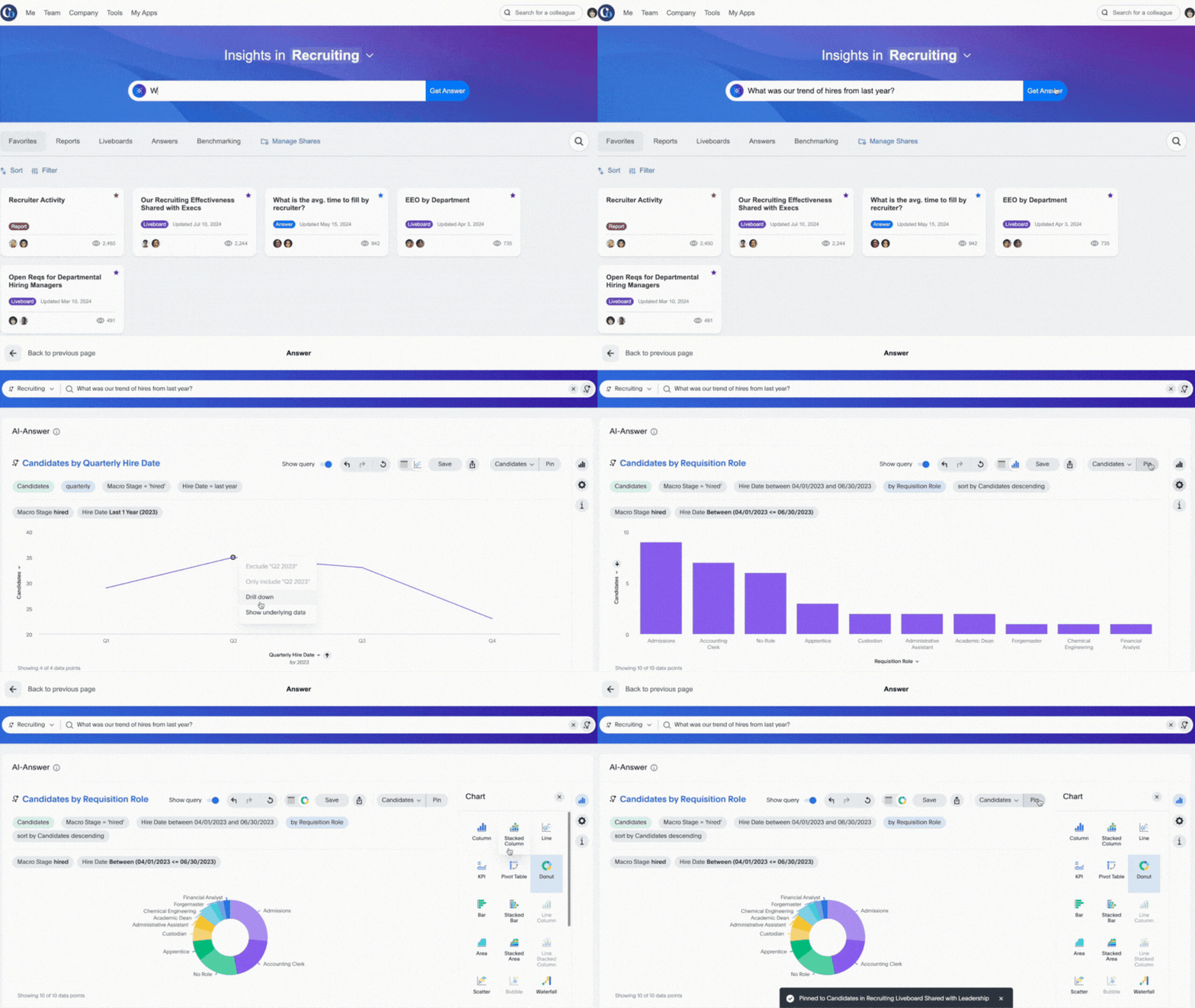
People analytics software is so important because it takes talent data — like performance reviews, employee surveys, retention, and internal mobility rates — and makes sense of it for you. Analytics turns data into a story about your workforce, one that reveals larger problems and hidden strengths. That takes you from guessing to knowing what your people need to thrive.
The Role of People Analytics in Employee Engagement
Employee engagement is a direct reflection of the overall employee experience — the way your company’s culture, policies, and daily environment make people feel about their work. When employees have positive experiences, they are more likely to feel engaged, motivated, and connected to your organization. But that doesn’t mean engagement is solely a feeling. It’s a series of metrics you can measure, track, and improve.
People analytics is how you shift your approach from reactive problem-solving to proactive engagement. Instead of waiting for an exit interview to find out why an employee wanted to leave, analytics allow you to spot warning signs while there’s still time to act.
By looking at employee engagement data in context with the rest of your people data, you gain visibility into what’s actually happening on the ground. For example:
- Are some departments or teams consistently showing lower engagement or higher turnover?
- Is there a link between remote work days and productivity, or do flexible schedules boost morale?
- How do engagement levels compare between your top performers and those who are struggling?
- Are training opportunities correlating with higher satisfaction rates?
- Does recognition frequency impact retention or team spirit?
Comprehensive people analytics software puts insights like these at your fingertips, helping you connect the dots and make decisions that boost engagement where it matters most.
5 Ways To Use People Analytics To Drive Engagement
People analytics is your playbook for making data-driven decisions that foster stronger connections between employees, their work, their colleagues, and the company. Here are a few ways to transform people insights into strategies that make employees feel valued, supported, and inspired.
1. Zero in on What Drives Engagement
Use data from engagement surveys, exit interviews, and performance reviews to find out what drives engagement at your company. By analyzing these insights, you can refine your employee engagement model to better align with what matters most to your workforce. For example, looking at trends across departments or job roles can shine a light on priorities like growth opportunities, recognition, or schedule flexibility.
Whatever you discover, you can turn those findings into targeted initiatives that address your needs and appeal to your people.
2. Spot Burnout Early & Reduce Turnover
Analytics like absenteeism, overtime, and feedback scores can be the canary in the coal mine, signaling early signs of disengagement. When you’re regularly monitoring important metrics, you’ll notice abnormal patterns and can act quickly before burnout starts impacting morale and turnover. Whether the solution is redistributing work, offering additional support, or redesigning processes, you get the chance to step in at the right time.
3. Develop Data-Driven Engagement Action Plans
Let your people data guide the creation — and evolution — of your engagement strategies. As new programs and policies roll out, you can use analytics to watch their impact on your crucial engagement metrics.
For example, after introducing a new recognition program, you noticed increased motivation on most teams, but it missed the mark for others. Thanks to people analytics, you can use that understanding to adjust your approach in those departments and get max effectiveness from your efforts.
4. Personalize Employee Experiences
With the power of people analytics, you can look at employee satisfaction data by segments of your workforce, breaking it down by location, team, or even demographics like generation or gender. That helps you understand how your employees’ engagement needs differ.
Then, you can tailor engagement efforts to fit those needs, so they resonate with each group of employees. Whether you have a young workforce looking for more mentorship opportunities or a region that wants to start an employee of the month program, engagement strategies are employee-first.
5. Connect Engagement To Business Outcomes
Your engagement data can integrate with other business metrics to show how investing in your people drives broader success. Create dashboards or regular reports tracking employee engagement’s impact on performance, turnover, and even customer satisfaction. These insights help you secure leadership buy-in on engagement strategies and ensure it remains a priority.
These are just a few of the ways you can advance beyond measuring engagement and transform that data into practical steps that create more loyal, high-performing teams.
Key Employee Engagement Analytics & Metrics To Track
You can track dozens of engagement metrics, but the most important are the ones that provide the clearest picture of the health of your company culture. These six data points provide the most direct insight.
1. Employee Engagement Score
This is a baseline metric that usually comes from an annual or bi-annual company-wide survey. It measures the overall level of enthusiasm and connection your people feel toward their work and the company. Tracking this score over time means you can benchmark engagement, spot trends, and understand whether your engagement strategies are moving the needle.
2. Employee Net Promoter Score (eNPS)
eNPS asks a simple, powerful question: "On a scale of 0-10, how likely are you to recommend this company as a place to work?" Based on their scores, it segments your workforce into Promoters, Passives, and Detractors, giving you a quick pulse on loyalty and brand advocacy.
3. Job Satisfaction
Job satisfaction is often measured through pulse surveys. It digs into the specifics of employees’ feelings on aspects of culture like compensation, work-life balance, and role clarity.
Engagement is about motivation — employees’ interest level in their work and doing it well.
Satisfaction, on the other hand, is about contentment, how your people are with how they’re treated at work. You need both to retain top talent.
4. Voluntary Turnover
High voluntary turnover is a major red flag for disengagement. Analyze resignation rates across different departments, tenures, or managers to isolate where the employee experience isn’t connecting.
5. Absenteeism Rate
Chronic absences often signal burnout or lack of engagement before an employee actually quits. Tracking unscheduled absences helps you identify teams that might be struggling with workload or management issues.
6. Performance Ratings
Engagement and performance are closely linked. Examining performance ratings alongside engagement scores can help you understand if high performers are engaged (and likely to stay) or if low engagement is dragging down productivity.
How To Implement a People Analytics Engagement Strategy
Getting the most value from your people analytics means you’re not just collecting data, but turning your new knowledge into real action. Here’s how to build a strategy that actually elevates engagement:
- Align With Company Goals: How does engagement help the business meet its goals? Understand company goals and ensure your people analytics strategy supports those priorities.
- Centralize Your People Data: Use a comprehensive talent management platform with analytics to bring all your workforce data together in one place.
- Spot Trends & Priorities: Dive into the data to find patterns, identify which teams need extra support, and reveal what truly drives engagement for your people.
- Act on Your Insights: Launch focused initiatives tailored to the challenges and opportunities your analytics reveal, and track their performance closely.
- Continuously Review & Refine: Revisit results and processes regularly to adapt to the changing needs of your workforce and capitalize on what works best.
Keep Employees Engaged With ClearCompany’s People Analytics Software
Understanding your employees shouldn’t be a guessing game. To build a culture where people genuinely want to work, you need visibility into what drives them to do their best, what discourages them, and what makes them want to stay.
That’s what you get with ClearCompany.
Our platform connects data across every stage of the employee journey, from hiring and onboarding to performance, engagement, and growth. It delivers insights you can act on and use to make better decisions. Don’t just measure engagement — move the needle with strategies that make a real impact.
Sign up for a demo today to see how ClearCompany transforms your people data into your competitive advantage.