Learn how to build a successful upskilling program that drives engagement, retention, and long-term business growth. This guide explains how to identify skills gaps, choose the right training methods, and structure an upskilling strategy that aligns with organizational goals. You’ll also discover how to measure program success, motivate employee participation, and see examples of real-world upskilling programs from leading companies.
Upskilling is on the radar for many companies as they face talent shortages, the demand for new skills, and the need for higher employee retention. Research from the World Economic Forum estimates that almost 40% of skills will be outdated by 2030. An effective upskilling program enables your company to improve employee engagement, productivity, and retention while keeping up with industry standards, trends, and the competition.
Upskilling has also become a crucial aspect of employee development and an incentive that attracts job seekers. 41% of workers looking for a new role say career development is their main motivator. One in three Gen Z employees is looking for a new role in the next year, driven largely by a lack of growth. Getting it right requires human resources and learning and development (L&D) to work together to design upskilling programs that support career growth and make staying with your company the easy choice.
In this article, we’ll explore how to identify skills gaps and different methods for employee upskilling. We’ll also cover the key factors involved in building a successful upskilling program. But first, brush up on the differences between upskilling and reskilling.
How To Recognize the Skills Your Company Needs
Skills gaps are an all-too-common problem — 71% of U.S. employers say they’re having trouble finding candidates with the right skills for the roles they’re filling. But missing some know-how doesn’t have to disqualify an otherwise excellent candidate.
Upskilling efforts can fill skills gaps and ensure your company doesn’t miss out on top talent. It encourages employees and candidates, showing them your company values their professional growth and is serious about keeping them around. It’s also great for companies — they can create training programs specifically for their employees and, with learning and development (L&D) opportunities, appeal to tenured team members, new hires, and applicants alike.
Before beginning an upskilling program, it’s essential to identify the skills that are needed within your organization. This can involve conducting a skills gap analysis to determine the specific areas where employees may need improvement.
It’s important that both management and employees are involved in this process to lend their unique perspectives on the skills required for success in their roles.
It’s also important to keep in mind that upskilling isn’t just about technical skills. Soft skills, such as communication, problem-solving, and leadership, can also be developed through upskilling programs. By identifying the skills needed for success, companies can tailor their upskilling programs to meet the unique needs of their employees and their organization.
What Is the Best Way to Upskill?
There are many approaches to enhancing employees’ skill sets. The best method will depend on your organization's needs and employees’ individual goals. Some of the most effective and popular approaches include:
- On-the-job training or apprenticeship
- Classroom training
- E-learning
- Microlearning
- Mentorship
- Coaching
On-the-job training and apprenticeships involve learning new skills through hands-on experience, while classroom training typically involves structured lessons and exercises. E-learning programs can be accessed online and offer flexibility in terms of scheduling and location. Mentorship and coaching programs provide employees with one-on-one guidance and support from more experienced colleagues as they develop new skills.
The most effective upskilling programs often incorporate a mix of these approaches to give your employees a well-rounded learning experience.
How To Structure an Upskilling Program
Once the skills to be developed have been identified and the best approach to upskilling has been determined, it’s time to structure the program. This involves creating a clear plan for implementing the program, including timelines, resources, and goals.
It’s important to involve employees in the planning process to ensure that the program is relevant to their needs and goals. A well-structured upskilling program should include clear objectives, measurable outcomes, and a clear plan for evaluation.
72% of employers worldwide are having difficulty finding skilled talent. - via ManpowerGroup
How To Measure Your Upskilling Success Rate
As with any business strategy, measuring the success of an upskilling program is essential to determining its effectiveness and identifying areas for improvement. Here are a few different ways you can determine if your efforts are working:
- Tracking employee progress with regular one-on-ones and goals
- Performing regular skills gap analyses to see if needs are being met
- Comparing changes in retention rates to determine if L&D encourages employees to stay long-term
- Monitoring key performance indicators (KPIs) for individuals and the business
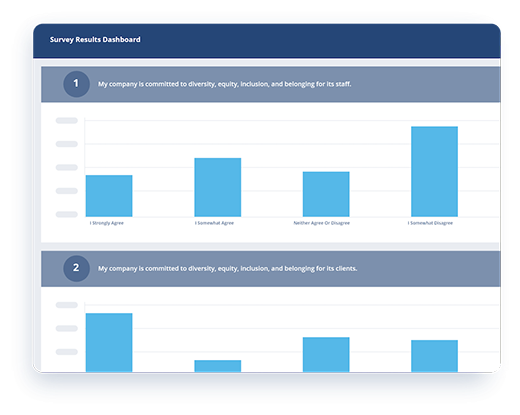
- Asking for feedback from employees via surveys
Goals and one-on-ones help both employees and managers stay on top of upskilling endeavors, while conducting skills gap analyses on a regular basis ensures your organization is actually gaining the skills necessary to succeed. KPIs can include metrics such as performance ratings, employee engagement, productivity, and retention rates. Employee feedback can provide valuable insights into the program's effectiveness and help identify areas for improvement.
How To Motivate Employee Participation
“Learning and development are pathways to engaging and motivating people and driving positive organizational outcomes. It’s an investment, but it’s worth the effort, for sure.” - Tracy Brower, Ph.D., via Forbes
Neither the power of employee engagement nor the benefits of employee retention can be underestimated, which is why motivating them to participate in an upskilling program is essential to its success. An effective way to motivate employees is to communicate all of the benefits of upskilling, which include:
- Increased job satisfaction
- Improved job performance
- Helps skills stay relevant and up-to-date
- Opportunities for career advancement
Creating a positive learning environment that fosters collaboration and support can also help motivate employees to participate in the program. In many cases, businesses encourage employee buy-in by offering incentives for participating in training and development programs, such as bonuses, promotions, or recognition for their achievements.
Examples of Successful Upskilling Programs
Companies of all sizes and industries have implemented successful upskilling programs. These are just a few examples of how companies are growing their employees’ skills and equipping their organizations for the future.
- Deloitte’s Future of Work Institute provides employees with opportunities to develop skills in areas like robotics, analytics, and automation.
- Amazon’s Career Choice program provides employees with up to 95% of tuition costs for courses in high-demand fields like healthcare, transportation, and IT.
- The Verizon Innovative Learning program provides free technology and internet access, along with training and mentorship, to students and teachers in underserved communities. The program aims to equip young people with the skills and resources they need to succeed in the digital economy.
These examples demonstrate that upskilling programs can benefit both employees and the wider community while helping companies keep pace with changing industry trends and remain competitive as employers.
Upskilling has become an essential aspect of employee development in today’s rapidly changing business environment. Recognize the skills your company needs, choose the best approach to upskilling, structure an effective program, motivate employees, and measure success to create a culture of continuous learning that benefits both employees and the organization as a whole. By investing in upskilling programs, your company can:
- Improve employee engagement
- Boost productivity and retention
- Reduce recruitment costs
- Support leadership development to keep vital roles filled
- Stay competitive in the market
With engagement and learning solutions within a complete talent platform, you can measure engagement and determine whether upskilling employees is the right choice for your organization. Already have upskilling strategies in place? Ask employees how they feel and gauge the success of your initiatives.
Get a demo of ClearCo, including our employee surveys and analysis tools, and uncover valuable insights for your business — sign up today.